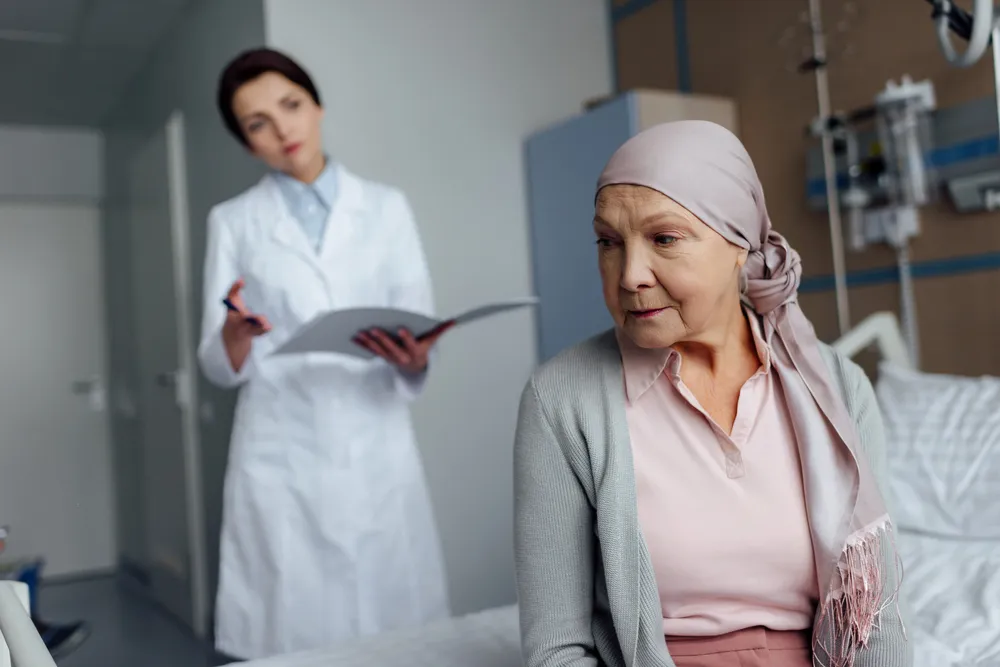
ncology is a difficult life challenge both for the patient and for their family. Time and access to the right treatment play a decisive role, as the patient’s chances of achieving stable and long-term remission directly depend on this. Because Turkish medical institutions are ready to accept patients quickly, have the necessary technological equipment, and employ experienced and highly qualified oncologists, many patients travel here specifically for treatment. Fortunately, for many people, a plane ticket to Türkiye becomes a ticket to a healthy life.
Sponsored content
Why Is Cancer Treatment in Türkiye Becoming More Popular?
Receiving treatment in clinics in Israel, Germany, or the United States takes a lot of time. Patients must prepare extensive documentation and obtain travel permits. The chosen clinic must be ready to accept a new patient. It is also important that the clinic can provide all the services necessary to save a patient’s life. At the same time, the cost of treatment must not become unbearably high.
In short, these are exactly the reasons why Turkish oncology clinics have become strong competitors to more famous medical institutions in other countries.
Can Turkish Doctors Be Trusted With Cancer Treatment?
In short, yes. But let’s not rely on empty statements; instead, let’s look at the facts.
Clinics With JCI and ESMO Accreditation
Many Turkish oncology clinics are certified by ESMO. In terms of the number of medical institutions with JCI accreditation, the country ranks among the leaders. For patients, this means that treatment protocols in these medical institutions comply with international standards and requirements. In other words, whether you are in Boston or Istanbul, you receive the same therapy.
Tumor Boards: Multidisciplinary Consultations
Most clinics use the Tumor Boards approach. Behind this term stands a multidisciplinary consultation that helps determine the optimal treatment plan for a specific patient.
These consultations are conducted because, in Turkey, doctors often have very narrow specializations. For example, an oncologist specializing in mammology focuses on breast cancer treatment, while a neuro-oncologist specializes in brain tumors. Meetings where surgeons, radiotherapists, geneticists, pathologists, and other specialists gather together make it possible to:
- Comprehensively analyze a specific case and jointly study the patient’s medical history;
- Develop the most effective treatment strategy together.
Advanced Technological Base
Diagnostic and treatment equipment in Turkish clinics is impressive. The country invests billions of dollars in acquiring the most advanced technological systems. That is why Turkey excels in:
- PET-CT and 3T MRI for determining the boundaries and size of tumors. This equipment also makes it possible to detect even the smallest metastases and correctly determine the cancer stage.
- The use of robotic surgery, including the Da Vinci Xi system, helps perform complex operations with minimal incisions. Thanks to this, recovery after surgery is faster, and the risk of blood loss is significantly reduced.
- CyberKnife, Gamma Knife, and TrueBeam technologies are used in radiosurgery and radiation therapy. These are extremely precise systems that target only affected cells without damaging the tissue surrounding the tumor.
- Oncohematology in local clinics is also at the highest level. Turkish oncological surgeons perform extremely complex bone marrow transplant operations. Survival rates are the same as in the best clinics in Germany and Israel.
Targeted Therapy
Before treatment, Turkish medical institutions conduct genetic tumor profiling — this procedure may appear under the abbreviation NGS. During diagnostics, the mutation type is identified. Based on this, doctors select medications that specifically target cancer cells. In some cases, treatment focuses on “teaching” the immune system to fight a specific type of cell.
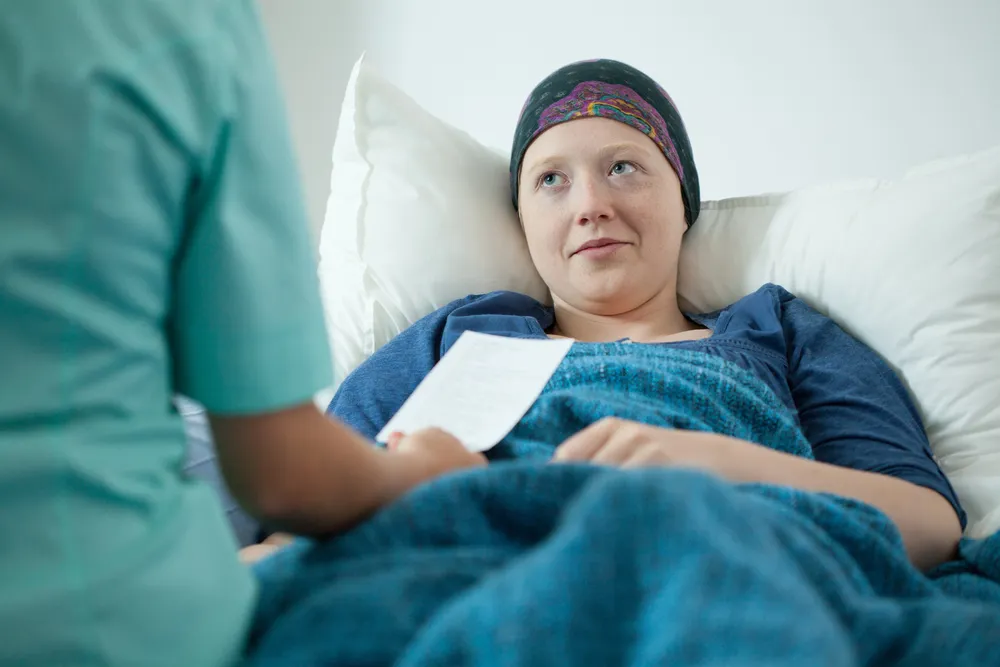
What Types of Cancer Are Usually Treated in Türkiye?
Very often, patients arrive at local medical institutions without having a confirmed diagnosis. Sometimes the diagnosis is still uncertain, and everything begins with determining the type and stage of the cancer.
In general, doctors here treat:
- breast cancer,
- lung cancer,
- prostate cancer,
- gastrointestinal cancers,
- brain tumors,
- hematological cancers,
- leukemia.
It means that patients with different types of cancer can come here and find professional, high-quality, and accessible treatment. At the same time, it is very important that patients can often bring relatives with them. Through medical tourism programs, accommodation and meals can be organized at reasonable prices. These services also often include transfer arrangements and additional support such as translation services, insurance assistance, and more.
Disclaimer: the author(s) of the sponsored article(s) are solely responsible for any opinions expressed or offers made. These opinions do not necessarily reflect the official position of Helló Magyar, and the editorial staff cannot be held responsible for their veracity.